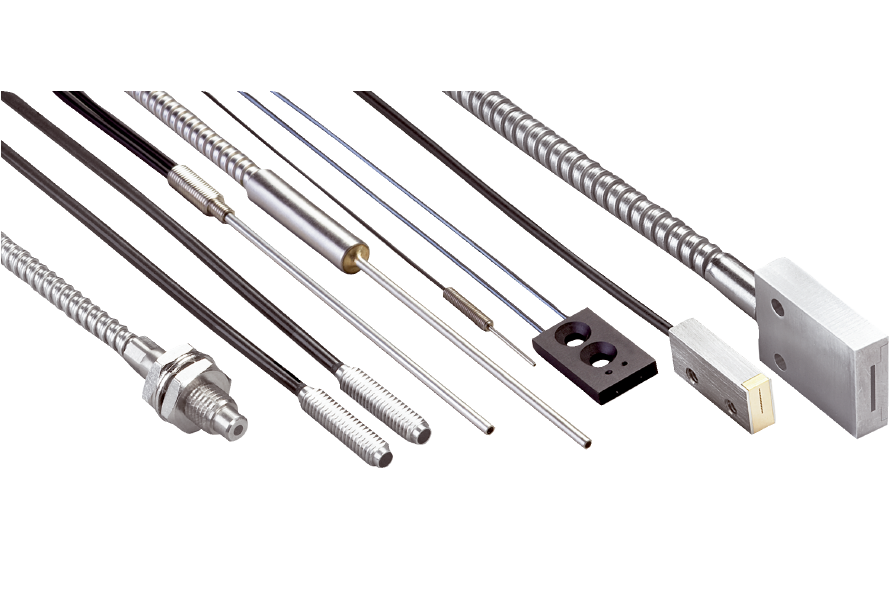
Images are representations only.
LL3 Fiber
Brand: SICK CanadaFor any application-oriented sensor solution, a suitable fiber-optic cable must be chosen. At SICK, the broad range of fiber-optic cables made from plastic and glass fibers permits optimal automation solutions. This applies in particular to tasks for which the fiber-optic cable requires application-specific adaption, where flexible cable installation is crucial, where high temperatures prevail, or a particular material compatibility is important. While the fibers of plastic fiber-optic cables are characterized, among other things, by the smallest of bend radii and maximum flexibility, and can also be shortened to any length, the glass fiber-optic cables are more chemically resistant and suitable for a higher temperature range.
The wide variety of end sleeve options or individual special sleeves enable virtually any installation possibility. Depending on the application, the fiber-optic cable's protective cladding can be made from plastic, metal, or Teflon for exposure to aggressive chemicals.
At a glance
- Very large selection of plastic and glass fiber-optic cables.
- Fiber-optic cables resistant to chemicals and high temperature
- Threaded and smooth sleeves, bands of light (array), 90° reflection versions available
- Focused optics
- Proximity and through-beam versions available
- Plastic , protective metal or Teflon sheathing available
- Very large selection of fiber-optic cables with plastic and glass fibers, giving users more application flexibility
- Resistant to damage caused by mechanical and chemical stress, as well as high temperatures
- Standard and customer-specific types
- Simple installation saves time
- For detection of objects, surfaces, leading edges, and fluid levels
Specifications
Brand
Fiber Material
- Plastic
Jacket Material
- Plastic
Fiber Head Material
- Stainless Steel
- Brass
- Aluminum
- Plastic
- Chemical-resistant Plastic